Decoding Food Processor Blade Types
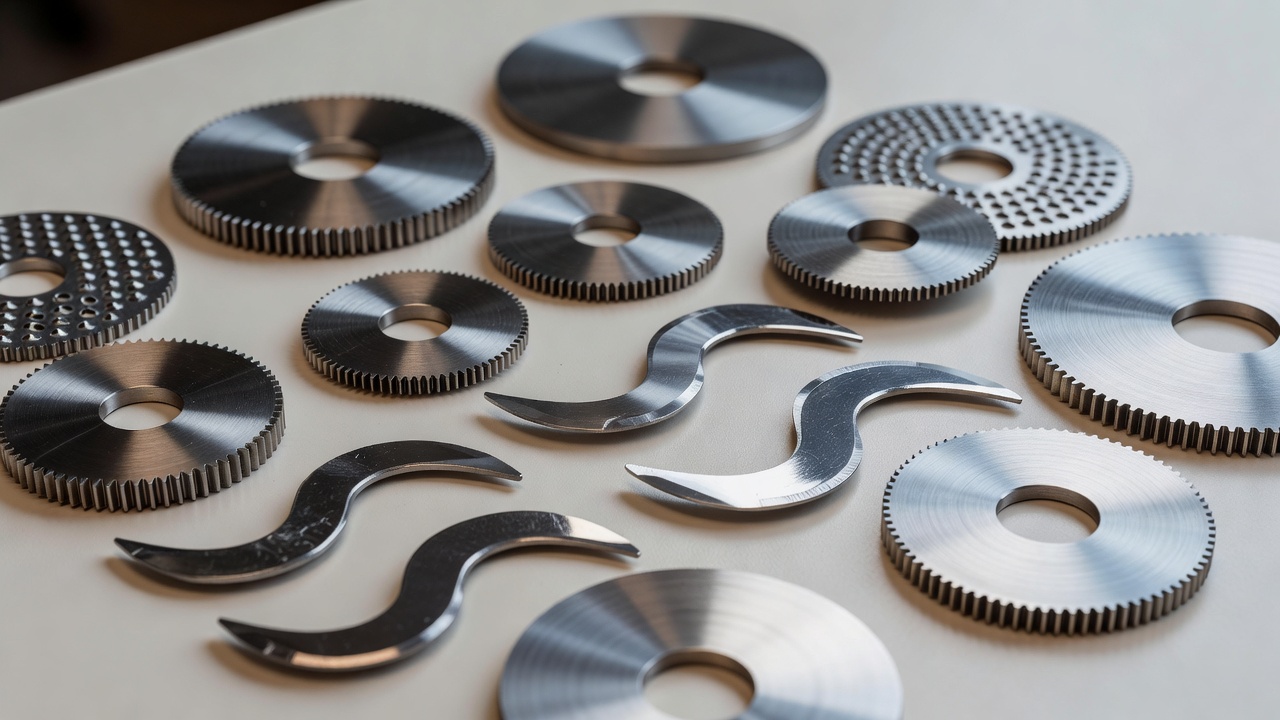
A high-quality food processor is only as good as the attachments it uses. While the motor provides the torque, the blades are responsible for the finesse. Opening the accessory box of a new food processor can be intimidating, with sharp metal discs and plastic arms clattering together. Understanding which blade to use for specific tasks will drastically improve your culinary results and prevent you from turning a crisp vegetable into unintended puree.
The S-Blade (Sabot Blade)
The standard multi-purpose blade, commonly known as the S-blade (or sabot blade), sits at the bottom of the work bowl. It consists of two curved stainless steel blades protruding from a central plastic hub.
- Chopping: Using the pulse function allows you to chop onions, celery, carrots, and nuts evenly without liquefying them.
- Pureeing: Running the machine continuously with the S-blade will turn chickpeas into hummus, basil into pesto, and cooked vegetables into smooth soups.
- Mixing: It can be used to quickly cut cold butter into flour for pie crusts or to mix cake batter.
Warning: Because the S-blade sits at the bottom, overfilling the bowl will result in uneven chopping. The ingredients at the bottom will turn to mush while the ones at the top remain untouched. Always work in smaller batches when chopping.
The Slicing Disc
Mounted on a stem near the top of the bowl, the slicing disc rotates right beneath the feed tube. As you push ingredients down with the food pusher, they meet the raised blade on the disc, shearing off perfect, uniform slices.
Some models offer adjustable slicing discs, allowing you to change the slice thickness from paper-thin (perfect for potato chips or carpaccio) to thick (ideal for ratatouille or chunky stews) by turning a dial on the hub. If your machine does not have an adjustable disc, it likely includes two separate discs for thin and thick slices.
The Shredding / Grating Disc
Similar to the slicing disc, the shredding disc mounts at the top. Instead of a single long blade, it features dozens of small, raised perforations similar to a box grater.
This attachment is a massive time-saver. It can shred blocks of cheddar or mozzarella in seconds, which is highly preferable to buying pre-shredded cheese (which is coated in anti-caking agents that prevent melting). It is also excellent for shredding cabbage for coleslaw, carrots for carrot cake, or potatoes for hash browns.
The Dough Blade
The dough blade looks similar to the metal S-blade but is made entirely of plastic or features shorter, blunter metal arms. Because it lacks a sharp edge, it stretches and folds dough rather than cutting through the gluten strands.
It is specifically designed for yeast doughs—bread, pizza, and pasta. The high-speed rotation kneads dough exceptionally fast; a process that takes 10 minutes by hand can be completed in 60 to 90 seconds in a food processor. Watch carefully, as over-kneading happens quickly, which can result in tough, dense bread.
Specialty Blades (Julienne, French Fry, Whipping)
Advanced or commercial-grade models may include specialty attachments:
- Julienne Disc: Cuts vegetables into long, matchstick-thin strips. Perfect for stir-fries and decorative garnishes.
- French Fry Disc: A thicker version of the julienne disc specifically tailored for potatoes.
- Whipping Disc: A flat, wavy plastic disc used to whip heavy cream or egg whites. While functional, many users find a stand mixer or hand mixer performs aerating tasks much better than a food processor.
Mastering these attachments transforms your food processor from a glorified onion chopper into an indispensable kitchen sous-chef, capable of handling nearly any prep task thrown its way.