Choosing the Right Food Processor Capacity
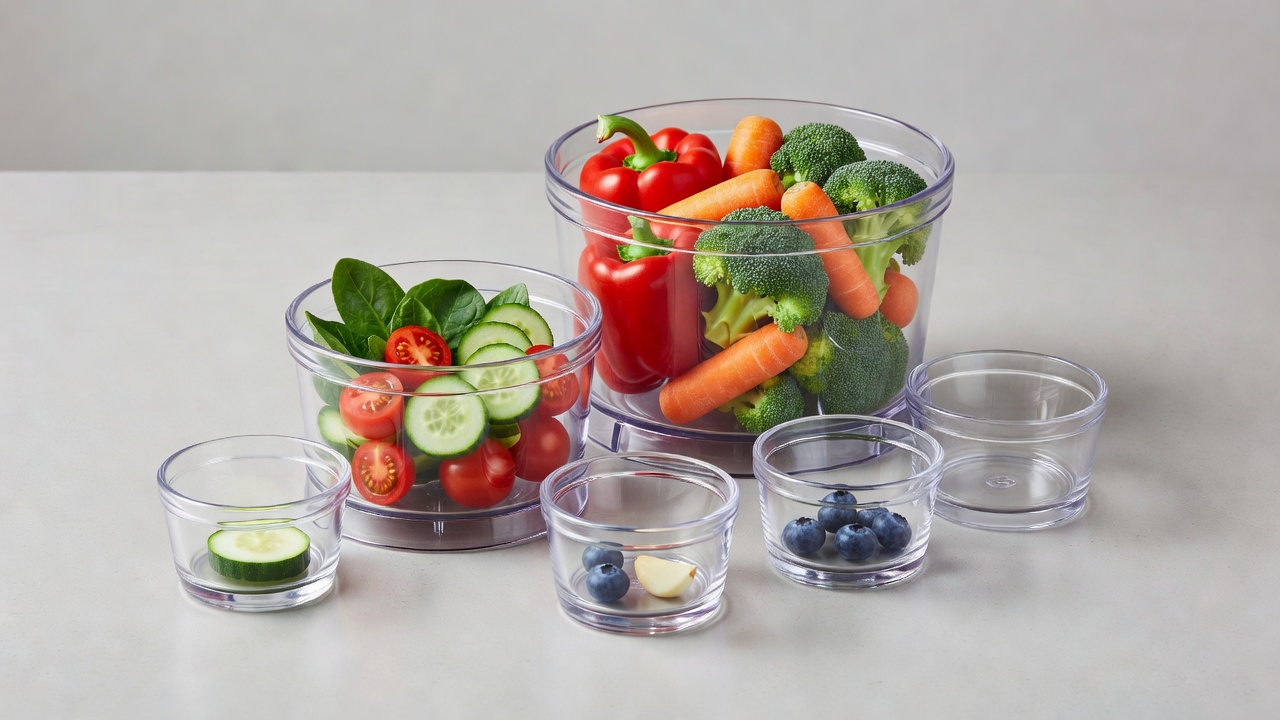
When investing in a food processor, capacity is often the first specification consumers look at. The bowl size dictates not only how much food you can process at one time but also the physical footprint the machine will occupy on your countertop. Choosing the wrong size can lead to frustration: a bowl that is too small requires tedious batch processing, while a bowl that is too large will struggle to process small quantities of ingredients effectively.
Understanding Capacity Measurements
Food processor capacities are traditionally measured in "cups," referring to dry standard measuring cups. However, it is crucial to understand that the stated capacity is not the working capacity for all types of ingredients. Most manufacturers indicate a maximum liquid fill line which is significantly lower than the total bowl volume—often by up to half. This prevents liquids from overflowing through the central post holding the blade assembly.
Mini Choppers (1 to 4 Cups)
Mini food processors are compact, lightweight, and easy to store. They typically feature a simpler design, often with the motor located above the bowl or in a very small base.
- Best for: Single individuals, couples, or as a secondary appliance for small tasks.
- Ideal tasks: Chopping a single onion, mincing garlic, making small batches of vinaigrette, grinding a handful of nuts, or pureeing baby food.
- Limitations: They lack the power for kneading dough, cannot accommodate slicing or shredding discs, and will easily overflow if you attempt to make a standard batch of soup or salsa.
Standard Mid-Size (7 to 9 Cups)
The 7 to 9-cup range is widely considered the sweet spot for the average home cook. These machines offer enough capacity to handle standard recipes while still being compact enough to fit under most kitchen cabinets.
In this size range, machines typically start including accessory discs for slicing and shredding. The feeding tubes are usually wide enough to accommodate half a potato or a block of cheese without pre-cutting them into tiny pieces.
- Best for: Families of 2 to 4 people, everyday meal prep.
- Ideal tasks: Shredding cheese for pizzas, making a batch of hummus, slicing vegetables for a stir-fry, or making a single pie crust.
- Limitations: Liquid capacities top out around 3-4 cups. If you are blending a large batch of soup, you will still need to work in batches.
Large Capacity (10 to 14+ Cups)
For avid entertainers, large families, and batch cooks, a large capacity food processor is essential. These machines feature heavy-duty motors designed to run longer without overheating and wide bowls that give ingredients room to move.
Many high-end large processors solve the "small batch" problem by including nested bowls—a 4-cup mini bowl that fits inside the 14-cup main bowl, running off the same motor base. This provides the best of both worlds, though at a premium price point.
- Best for: Families of 5+, meal preppers, bakers, and frequent entertainers.
- Ideal tasks: Kneading heavy bread or pizza dough, processing large harvests from a garden, making double batches of dips and sauces.
- Limitations: They are heavy, difficult to move around, and take up significant vertical and horizontal space. Washing the large bowl and lid can also take up most of a standard dishwasher rack.
Final Considerations: Storage and Weight
Before purchasing the largest machine you can afford, measure the clearance between your countertops and upper cabinets (standard clearance is 18 inches). Many large food processors are too tall to slide underneath when fully assembled.
Furthermore, consider the weight. A large machine can weigh over 15 pounds due to the induction motor. If you plan to store it in a lower cabinet and lift it onto the counter for each use, the heavy lifting may discourage you from using the appliance altogether. In such cases, a lighter, mid-sized model stored directly on the counter may be the more practical choice.