Food Processor vs. Blender: Key Differences
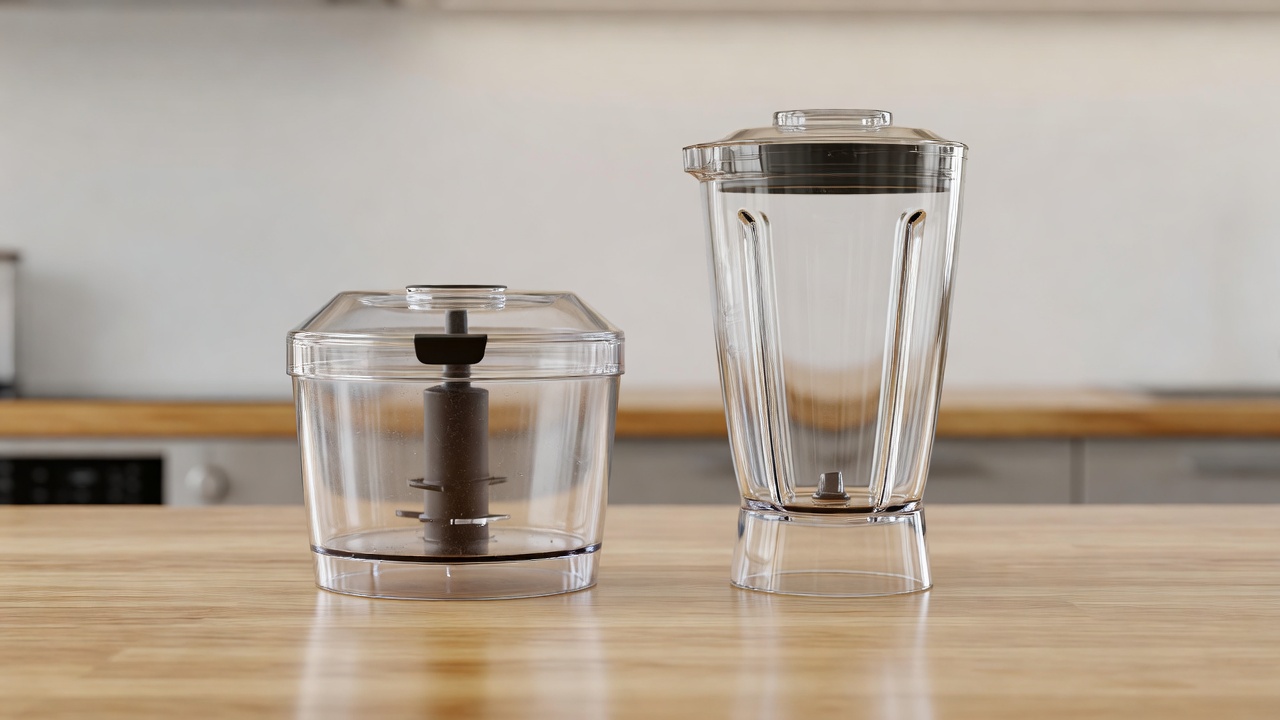
To the uninitiated, a food processor and a blender might seem interchangeable. Both feature a motor base, a clear container, and spinning blades at the bottom. However, attempting to use them interchangeably often leads to culinary disaster—turning a chunky salsa into a liquid soup, or leaving a fruit smoothie full of unblended chunks. Understanding the geometry and mechanics of each appliance is key to knowing which tool to pull out.
Bowl Shape and Geometry
The most visible difference between the two appliances is the shape of their containers.
- The Blender Pitcher: Blenders feature a tall, narrow, conical pitcher. This shape is specifically designed to create a vortex. As the blades spin at extremely high speeds, the liquid is pulled down into the center, hits the blades, and is pushed up the sides, constantly cycling the ingredients through the cutting zone. This requires a significant amount of liquid to work properly.
- The Food Processor Bowl: Food processors have a wide, shallow, flat-bottomed bowl. This design gives solid foods room to move around without being instantly liquified. It allows the long blades to sweep a wide area, chopping solid ingredients evenly without requiring any added liquid.
Blade Design and Speed
The blades themselves are engineered for completely different tasks.
Blenders utilize small, angled blades that are often intentionally blunt. They rely on sheer speed and blunt-force impact to pulverize cell walls. High-end blenders can spin at over 20,000 RPM, enough to create friction heat that can actually boil soup right in the pitcher.
Food Processors feature large, razor-sharp, flat S-blades. They operate at much lower speeds (typically around 1,500 to 2,000 RPM). Instead of pulverizing, they slice cleanly through ingredients. This clean cut is what allows you to make a coarse salsa or pie dough without creating a gluey paste.
When to Use a Blender
Reach for your blender when making:
- Smoothies and protein shakes
- Pureed, silky-smooth soups (like butternut squash or tomato)
- Frozen cocktails (margaritas, daiquiris)
- Nut milks
- Pancake or crepe batter
When to Use a Food Processor
Reach for your food processor when making:
- Chunky dips (salsa, guacamole, hummus)
- Doughs and crusts (pie crust, pizza dough, shortbread)
- Shredded cheese or sliced vegetables (using disc attachments)
- Nut butters (the wide bowl handles the thick paste better)
- Crumbing (turning stale bread or cookies into fine crumbs)
The Gray Area: Overlapping Functions
There are a few tasks where either appliance can work, though one will usually be slightly better. For example, making pesto. A blender will create a very smooth, emulsified pesto (which some prefer), but you must constantly stop and scrape down the sides. A food processor will make a slightly coarser, more rustic pesto, but it will process the ingredients much more easily without liquid binding issues.
Ultimately, a well-equipped kitchen benefits greatly from having both. If budget or space forces you to choose one, evaluate your daily cooking habits. If you start every morning with a smoothie, buy a blender. If you cook large meals, bake, and prep lots of vegetables, the food processor is the clear winner.