Motor Power Explained: Watts vs Performance
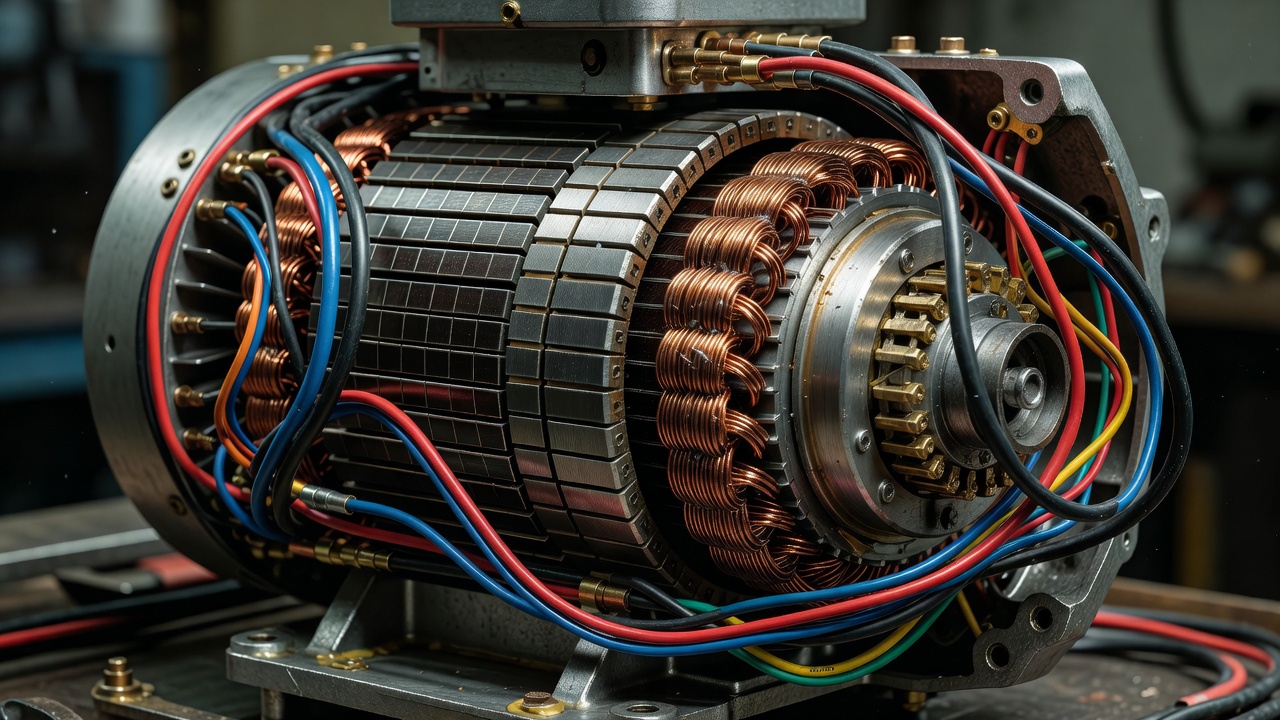
When shopping for kitchen appliances, it is tempting to look at the wattage printed on the box and assume that a higher number guarantees a better machine. A 1000-watt food processor must be superior to a 600-watt model, right? The truth is much more complex. Motor performance in a food processor relies on efficiency, torque, and design architecture just as much as peak power consumption.
Peak Wattage vs. Continuous Wattage
Manufacturers often advertise "Peak Wattage." This is the maximum amount of power the motor can draw for a split second when it encounters extreme resistance—for example, when you drop a block of hard parmesan cheese into the shredding disc.
However, "Continuous Wattage" (or running wattage) is the power the machine draws under standard load over a sustained period. A machine advertised at 1000W peak might only operate at 400W continuously. If a manufacturer only lists peak wattage, they are providing marketing numbers rather than practical performance metrics. A well-built machine that runs constantly at 600W will often outperform a cheaper model that boasts a 1000W peak but bogs down after ten seconds of continuous use.
Direct Drive vs. Belt Drive
How the power is transferred from the motor to the blade is crucial to performance.
- Direct Drive: The motor sits directly underneath the work bowl. The spindle that spins the blade is connected straight to the motor shaft. This design offers high torque and minimal power loss, meaning even a lower-wattage direct-drive motor can power through heavy doughs without stalling. They are usually quieter and heavier (often using induction motors).
- Belt Drive: The motor is positioned to the side of the bowl assembly and connects to the blade spindle via a rubber belt. These are common in lighter, cheaper machines. While they can achieve high speeds (great for pureeing), they often lack torque. Belt-driven motors are more likely to stall or slip when processing heavy or sticky ingredients.
Induction Motors: The Gold Standard
Premium food processors utilize induction motors rather than universal brush motors. Induction motors use magnetic fields to rotate the shaft, meaning there are no physical brushes to wear down over time.
Benefits of induction motors include:
- Longevity: With fewer moving friction parts, they can last decades.
- Silence: They operate with a low hum rather than a high-pitched whine.
- Adaptive Power: They draw only the power they need based on the load, meaning they run efficiently and coolly.
The downside? They are heavy. A food processor with an induction motor will be significantly heavier than a standard model, making it stable on the counter but harder to lift in and out of cupboards.
Overheating and Thermal Protection
Even the strongest motor has its limits. Quality food processors feature thermal overload protection. If the motor gets too hot from sustained heavy use (such as grinding tough meats or processing back-to-back batches of dough), a thermal switch will trip, shutting off the machine to prevent the internal coils from melting.
If this happens, the machine is not broken. You simply need to unplug it and let it cool down for 15 to 30 minutes before the switch resets. Budget models without this feature will simply burn out entirely when pushed past their limits.
Conclusion
Don't be swayed by high wattage numbers alone. Look for machines that emphasize torque, feature a heavy base indicating a quality motor (preferably induction), and boast a direct-drive design. A robust 600-watt machine with a direct-drive induction motor will serve you far better than a flimsy 1200-watt belt-driven model.